BY JOHN MOLINAR
Workers’ compensation professionals are exceptionally good at post-mortems.
Give us a claim that went sideways six months ago and we become forensic investigators. We can tell you exactly where things started to unravel. The recorded statement should have been taken sooner. Someone missed a prior injury. A return-to-work plan lacked follow-through. A supervisor stopped communicating. The designated doctor’s report had notable flaws long before anyone addressed them.
We can dissect a troubled claim with the precision of a football analyst reviewing game film on Monday morning.
And to be fair, post-mortems have tremendous value. Experience is a wonderful teacher.
The problem is that she charges tuition after the lesson is learned.
The longer I work in workers’ compensation, the more I find myself interested in a different question. Not what went wrong, but what could go wrong. Because sometimes the most valuable conversation in a claim happens long before anyone realizes there is a problem.
The Claim That Doesn't Exist Yet
Years ago, I sat in a claim strategy meeting involving an injury that appeared, at least initially, to be moving in the right direction.
The injury was legitimate. Treatment had been approved. The employee seemed motivated. The medical reports were encouraging. Everyone around the table felt reasonably good about where things were headed.
Then someone asked a question. "What could cause this claim to become a disaster?"
The room got quiet. Not because nobody had an answer. Because everybody did.
Suddenly, the discussion changed. Someone mentioned the possibility of delayed surgery. Another raised concerns about depression if recovery stalled. Someone else worried about a supervisor who wasn't particularly engaged in the return-to-work process.
None of those things had happened. Not yet. But they could.
And once they were spoken aloud, they became visible.
That conversation fundamentally changed the way I think about claims. The purpose wasn't pessimism. It was preparation.
A Little Bit Like Minority Report
If you remember the movie Minority Report, the entire premise revolved around a fascinating question.
What if you could stop a disaster before it happened?
Not investigate it afterward. Not explain it later. Prevent it.
Tom Cruise's character wasn't spending his time reconstructing events after the fact. He was trying to identify warning signs early enough to change the outcome.
Workers’ compensation is obviously less dramatic. Thankfully, we’re not relying on futuristic technology or psychic visions floating in a swimming pool.
But the underlying idea is surprisingly familiar.
Every experienced adjuster, claims manager, and attorney has experienced that moment when a claim lands on their desk, and a quiet voice somewhere in the back of their mind says:
"Something about this one worries me."
You may not know exactly why. Not yet.
The file may look ordinary. The injury may appear straightforward. The medical treatment may be progressing exactly as expected.
But experience teaches us that storms rarely arrive without warning.
The Shoulder Claim
Imagine a fifty-eight-year-old employee who suffers a shoulder injury.
Nothing dramatic. No alarm bells going off. No breaking news banner scrolling across the bottom of a television screen. Just a shoulder injury.
The employee has worked for the company for twenty years. Everyone likes him. Surgery is approved. Recovery appears straightforward. Most claim reviews would stop right there.
A pre-mortem starts there.
The team gathers and asks a different question. "It is one year from today, and this claim became one of our most expensive files. What happened?"
At first, the answers sound speculative. The surgery didn't produce the expected result. Physical therapy attendance dropped. The employee became discouraged. The supervisor stopped checking in. An attorney became involved. A second surgery was recommended.
Again, none of those things have happened. But now the team sees them.
And because they see them, they can begin addressing them.
Communication improves. Expectations become clearer. Potential barriers are identified before they become actual barriers.
The claim doesn't become perfect. Claims rarely do. But it now has a much better chance of becoming successful.
That is the power of a pre-mortem.
Not a prediction. Preparation.
Why We Resist It
Here's the challenge. Most human beings don't enjoy uncertainty.
We like plans. We like forecasts. We like neat spreadsheets and clean narratives. We like feeling as though we know where things are headed.
As a father of three adult children, I can assure you that uncertainty loses its charm somewhere around the moment you receive a text from your teenager that says, "I need your help?" followed by silence over the next five minutes until they continue, “I left my sheet music at home. Can you drop it off at school before band starts?”
The imagination is a dangerous place during those five minutes.
Workers’ compensation is no different.
A claim feels safer when we think we understand it. The problem is that certainty sometimes arrives before understanding does.
A pre-mortem creates space to challenge our assumptions before they harden into conclusions. It reminds us that confidence and curiosity are not opposites. The best decisions often require both.
How To Conduct A Pre-Mortem
The beauty of a pre-mortem is that it doesn't require complicated technology or expensive consultants. It requires a room, a claim file, and a willingness to ask uncomfortable questions.
Imagine gathering the key people involved in a claim and saying, "It is two years from now. This claim became far more expensive, contentious, and difficult than anyone expected. Why?"
Then let people talk. Really talk. Not defend positions. Not protect predictions. Simply identify possibilities.
Communication broke down. Treatment drifted. Trust was lost. Restrictions weren't accommodated. Medical complications emerged. No single answer matters as much as the discussion itself.
Because once risks are identified, they can be monitored. And once they can be monitored, they can often be managed.
Looking Through the Windshield
Most of us entered this profession believing our job was to solve problems. And it is.
But the longer I've worked in workers’ compensation, the more I've come to appreciate a different skill. Preventing them.
There is a family attached to every claim file. A worker trying to regain confidence. A supervisor hoping to bring someone back to the team. A spouse wondering how long recovery will take. Children who only know that Mom or Dad isn't quite themselves right now.
When a claim goes badly, we conduct a post-mortem to find out what happened. That is necessary.
But sometimes the more important question is the one we should have asked much earlier.
What could happen? What aren't we seeing? What conversation are we avoiding? What risk is sitting quietly in the corner waiting to become tomorrow's crisis?
The best claims professionals I've known aren't necessarily the smartest people in the room. They're the people willing to ask uncomfortable questions before the answers become expensive. They're the people who understand that experience isn't simply about learning from yesterday.
It's about seeing around corners tomorrow.
Because the best claim you'll ever manage may not be the one you rescue. It may be the one that never needed rescuing in the first place.
Pull up a chair.
Let's get to work.
AUTHOR
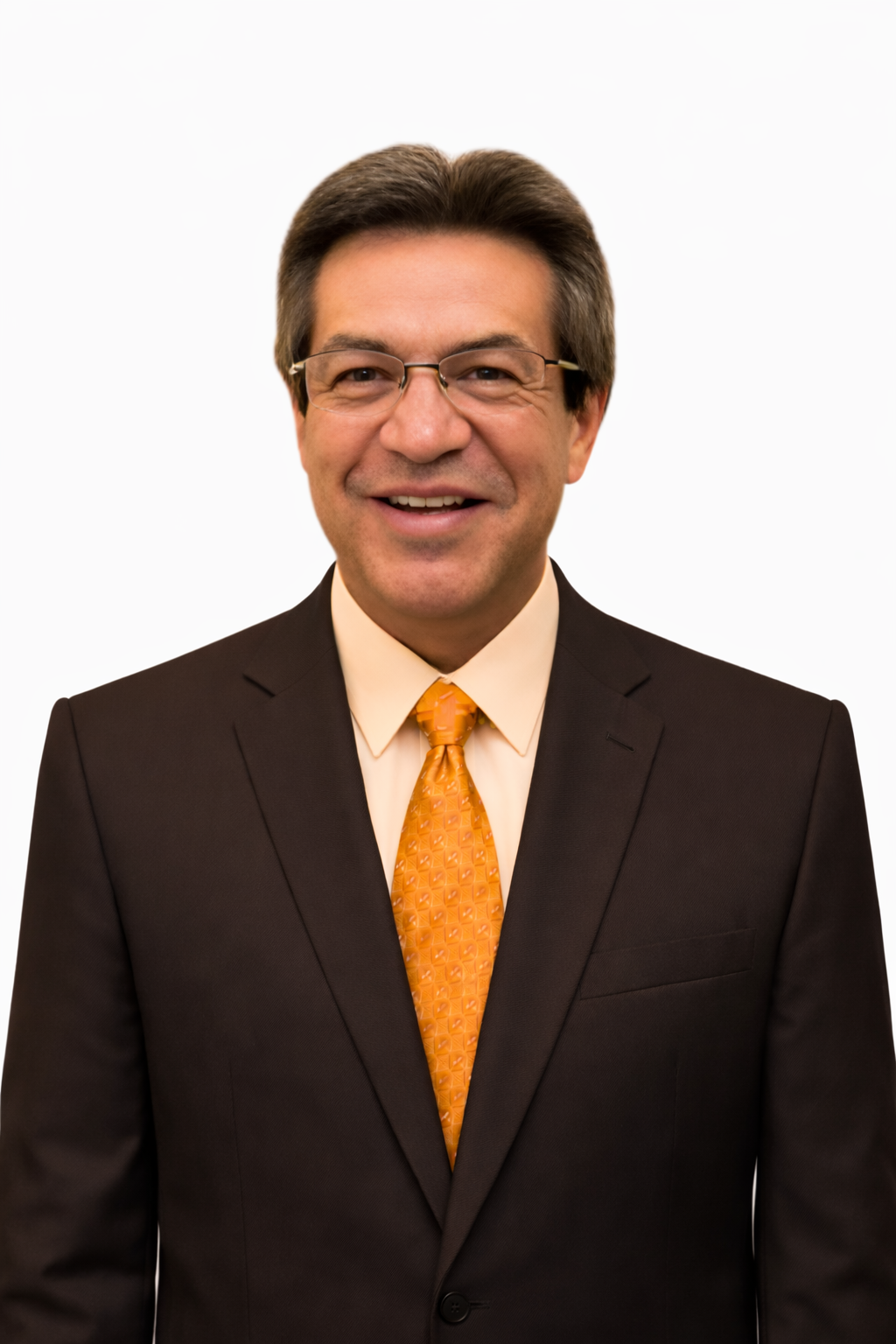
John Molinar is a Board Certified Workers’ Compensation attorney and industry leader, offering practical insight shaped by decades of experience across the Texas system.
→ Follow John on LinkedIn
→ Follow Hermes Law on LinkedIn
Looking for a clearer understanding of Workers’ Compensation in Texas?
CompDeck offers short, focused video lessons that break down Texas workers’ compensation into practical, real-world insight.
OUR WORKERS’ COMP COMMUNITY SERIES: